Category Archives: History

A Love Letter From Red Bank to Count Basie

In homage to “The Kid from Red Bank”, T. Thomas Fortune Cultural Center is hosting an exhibit titled A Love Letter to Count Basie: From the Great Migration to the Harlem Renaissance through June 2021. Born in 1904, William James Basie honed his piano chops at vaudeville theaters and clubs in Red Bank and Asbury Park before heading north to Harlem. From there, Basie went on to become one of the most influential and famous jazz musicians of the swing era.
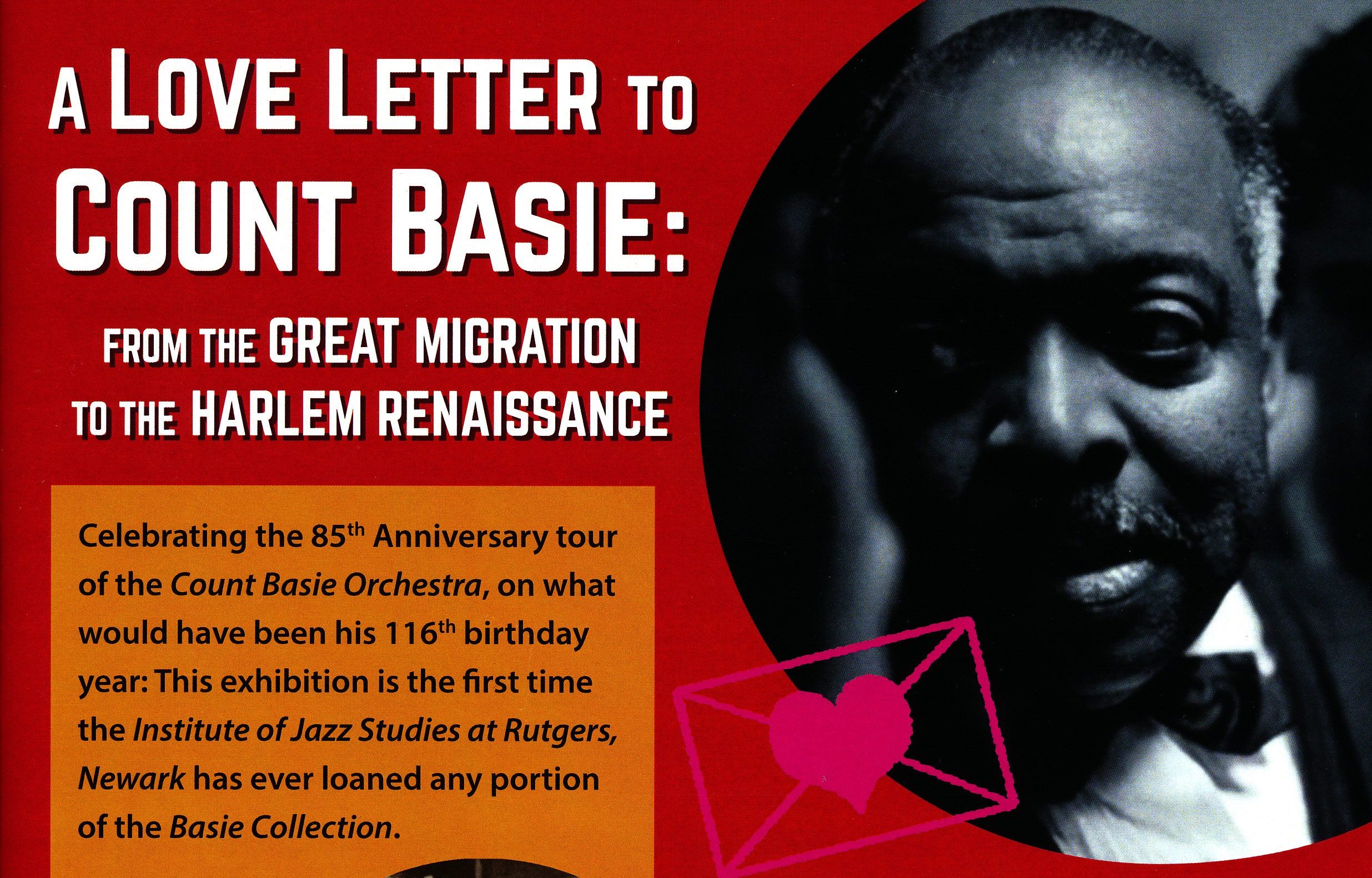
Exhibit on view at the T. Thomas Fortune Cultural Center

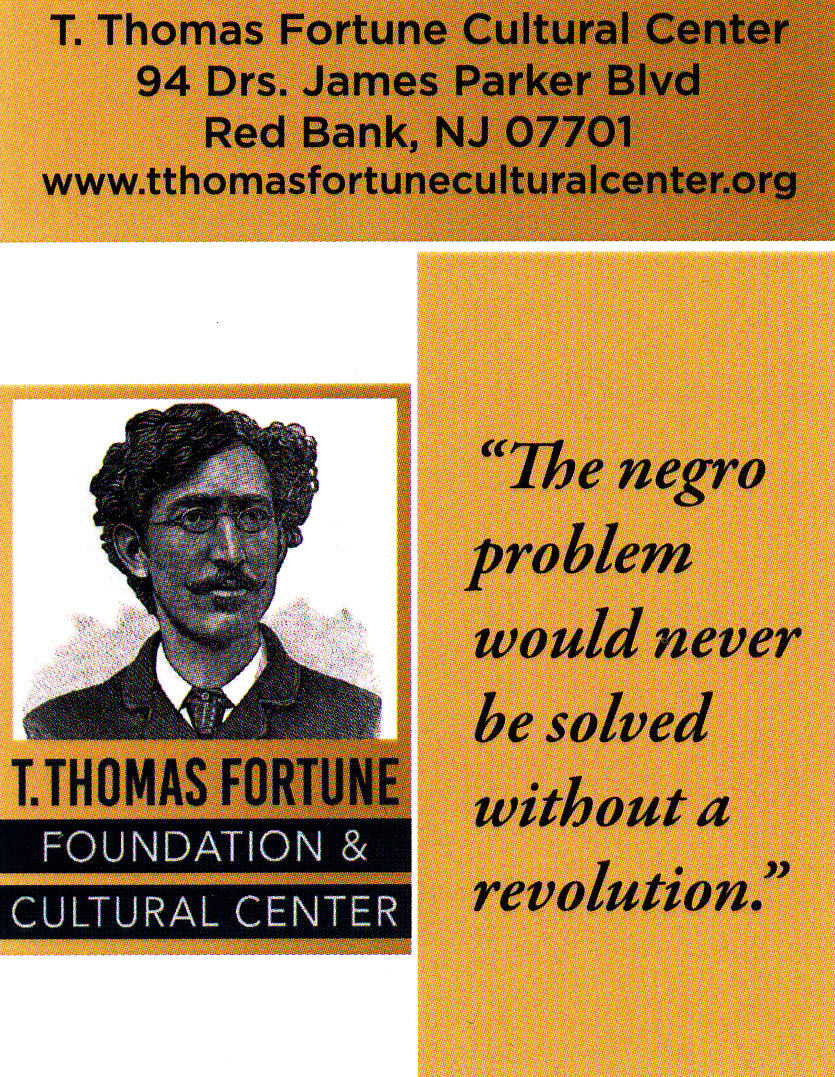
Red Bank once claimed to be among the largest communities of African American professionals in New Jersey. With its roots in the great migration of people fleeing the Jim Crow South, Red Bank’s well-established Black community was home to two notable African Americans in the early 20th Century: journalist T. Thomas Fortune and jazz great William “Count” Basie.

Designated a National Historic Landmark, Fortune’s former home is now the T. Thomas Fortune Cultural Center dedicated to celebrating the rich history of Red Bank and promoting the social justice mission of it’s original owner.

The exhibit is open to the public on Saturday and Sunday from 1-5 pm  Please call ahead to register at (732) 383-5483 or email info@ttfcc.org  Suggested donation: $15 for adults, $5 for children and seniors.  

Visit www.tthomasfortuneculturalcenter.org for more information.
Mongolia to Howell, Four Centuries of Kalmyk Migration

The Kalmyk people are originally from western Mongolia. Their westward migration into the Russian steppes began in 1618 after a prolonged conflict with the rulers of Mongolia.  After more than a century of prosperity in Russia, the Kalmyks fled into Turkey and Eastern Europe to escape the Bolshevik revolution.  During WWII, many Kalmyks were deported to Siberia or dispersed throughout Europe. Those Kalmyks who sought refuge in Displaced Persons camps run by the Americans after the war eventually arrived in the U.S. in 1951 and 1952.  A group of Kalmyks settled in Howell, NJ at that time and established Buddhist Temples along the Route 9 corridor that remain to this day.

The Kalmyks’ Russian connection is evident in the Russian Orthodox churches also present in Lakewood and Howell.  Kalmykia exists as an autonomous republic of the Russian Federation and maintains diplomatic and cultural ties with Mongolia.

Find out more…

Folk Costumes of the Kalmyks


A Walk Among the Tombstones

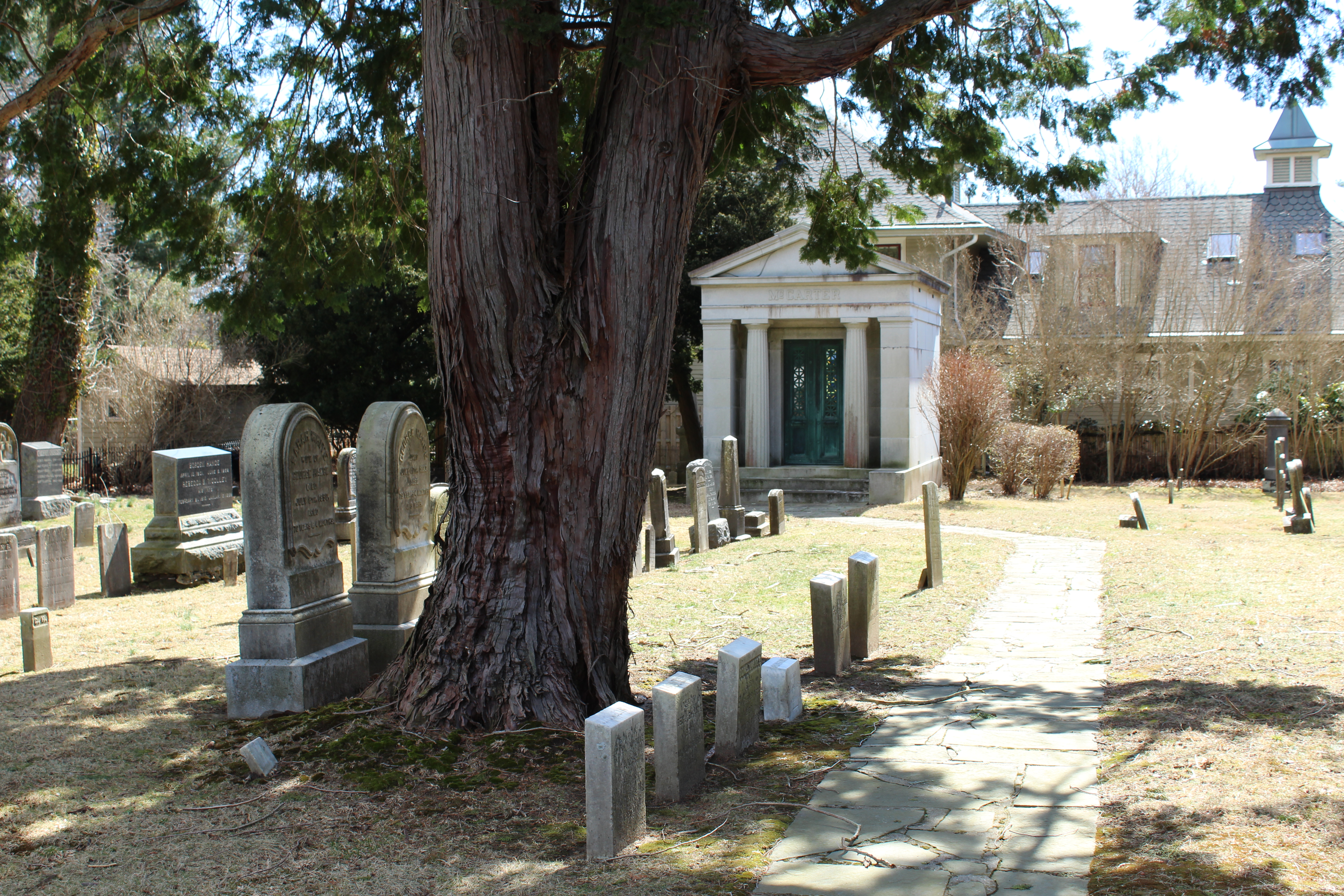
The earliest European settlers arrived in Monmouth County in the 1660s and many old burial grounds may be found in churchyards and along back roads.   A walk among the tombstones reveals familiar names that are now associated with streets and towns throughout the county and harkens back to a time when the sea connected Monmouth to the world.

A private burial ground along Rumson Road


Library Power in Bradley Beach


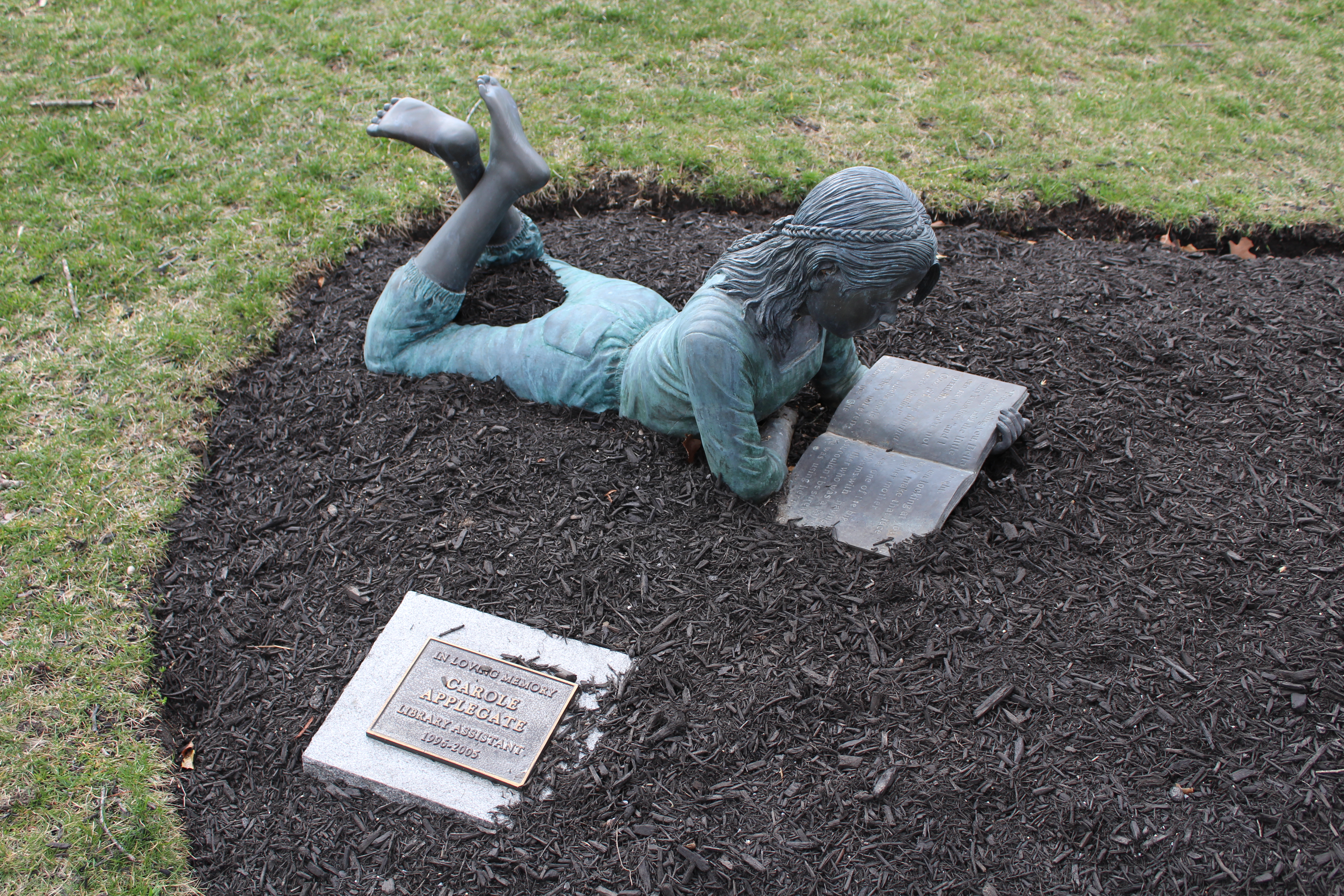
Built in 1927 at the urging of the Women’s Improvement League, the design of the Bradley Beach Library followed guidelines recommended by Andrew Carnegie although the building was not funded by his philanthropy but rather by donations from local citizens.  Located on Fourth Avenue, the Bradley Beach Free Public Library represents the early 20th-century efforts of women’s organizations to promote cultural, educational, religious and social reforms.


In addition to books and online services, the independent Bradley Beach Library offers a variety of programs for patrons of all ages.  A new addition to the rear of the building provides handicapped access.  This building is on the National Register of Historic Places.

Marking American Ingenuity

This iconic landmark, designed to resemble a transistor, is the water tower at the former Bell Labs in Holmdel.  The American Telephone and Telegraph Company (AT&T) began constructing the research laboratory in 1959.  It is one of the final projects of architect Eero Saarinen.

Corporate researchers invented cell phones and radio astronomy here along with other Nobel Prize winning discoveries.  The site was listed on the National Register of Historic Places in 2017. It is now a privately owned mixed use office space known as Bell Works.

Water, Iron, and Slave Labor in Tinton Falls

Monmouth County has a rich history dating to colonial times when generous land grants
created unprecedented opportunity for ambitious, well-connected English gentlemen.

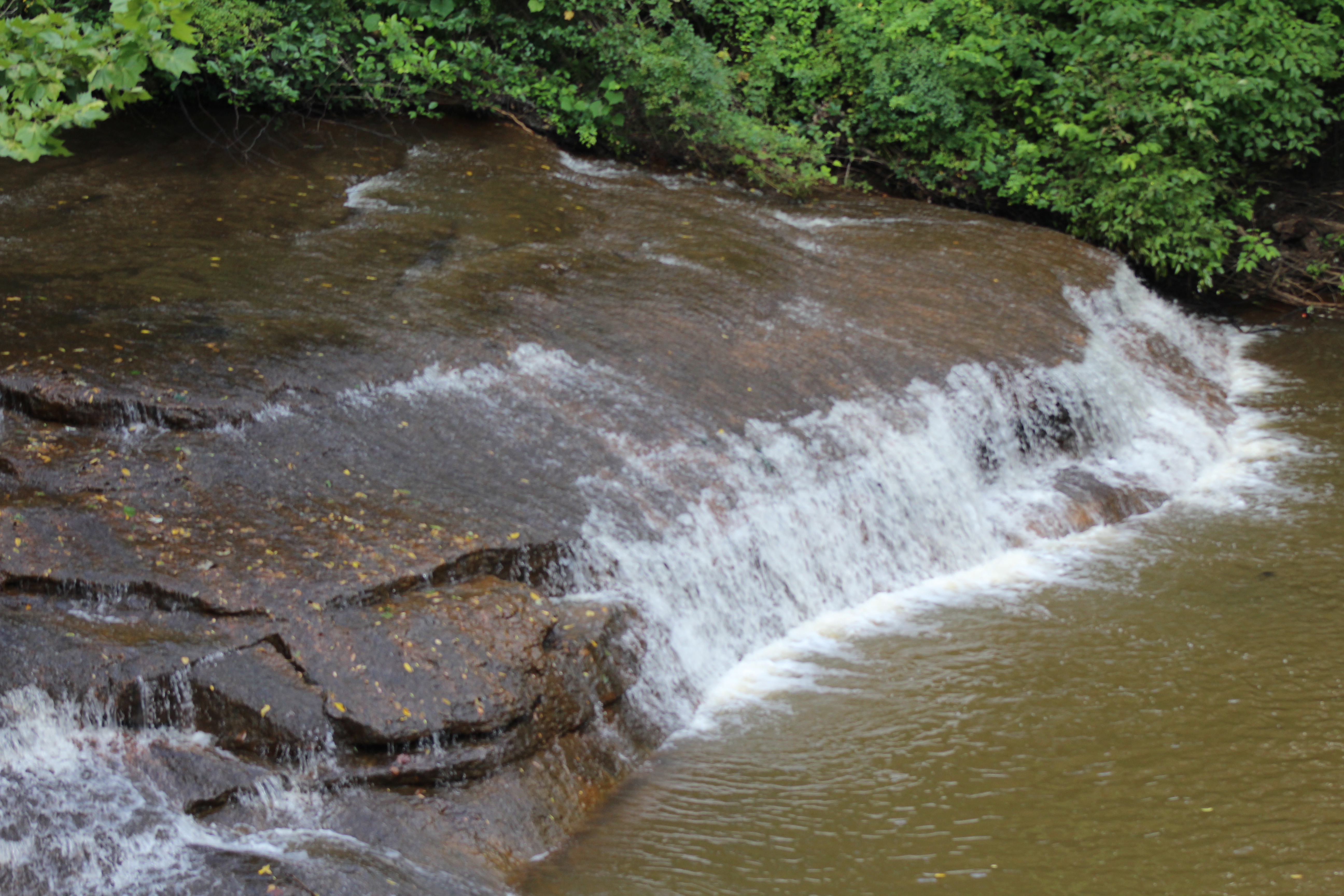
Tinton Falls at Sycamore Avenue and Swimming River Road

Named after an estate in Monmouthshire, Wales, Tintern (now Tinton) was the site of one of the earliest iron works in America.  Established in 1680, the iron mill and forge were powered by what was then the highest water fall along the Atlantic Coast.  Labor was provided by white indentured servants and 60-70 African slaves imported from Barbados by owner Colonel Lewis Morris, whose heir was New Jersey’s Governor of the same name.

The falls have diminished and the Tinton Iron Works are long gone but you can find out more:

Tinton Falls History

Tintern Falls

Historical Scrapbook

Keyport: Gateway to Bayshore Antiques

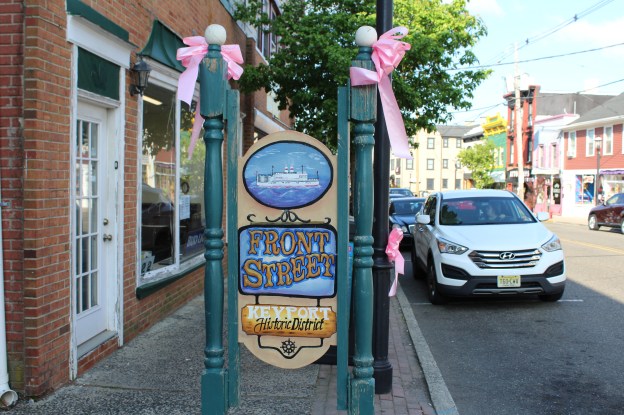
You may be familiar with the water tower emblazoned with the name of this small historic town as you leave the Parkway at Exit 117.  Most of us just hurry on by as we choose to follow Routes 35 or 36 to other places. But by taking the time to actually visit Keyport, you may be surprised to find a number of antique shops and eateries adjacent to a revitalized waterfront.

Organized as a town in 1870, Keyport was once famous for its oyster industry and a walk through town is a reminder of a rich maritime history.  Since 2011, the municipal government and the Keyport Bayfront Business Cooperative have created a promenade on the water and encouraged new businesses and music venues.

Keyport is definitely worth a visit.  If antiquing isn’t your thing, come for the music or the food.  McDonagh’s Pub, the Keyport Fishery, and the award-winning Broad Street Diner won’t disappoint you.

This slideshow requires JavaScript.


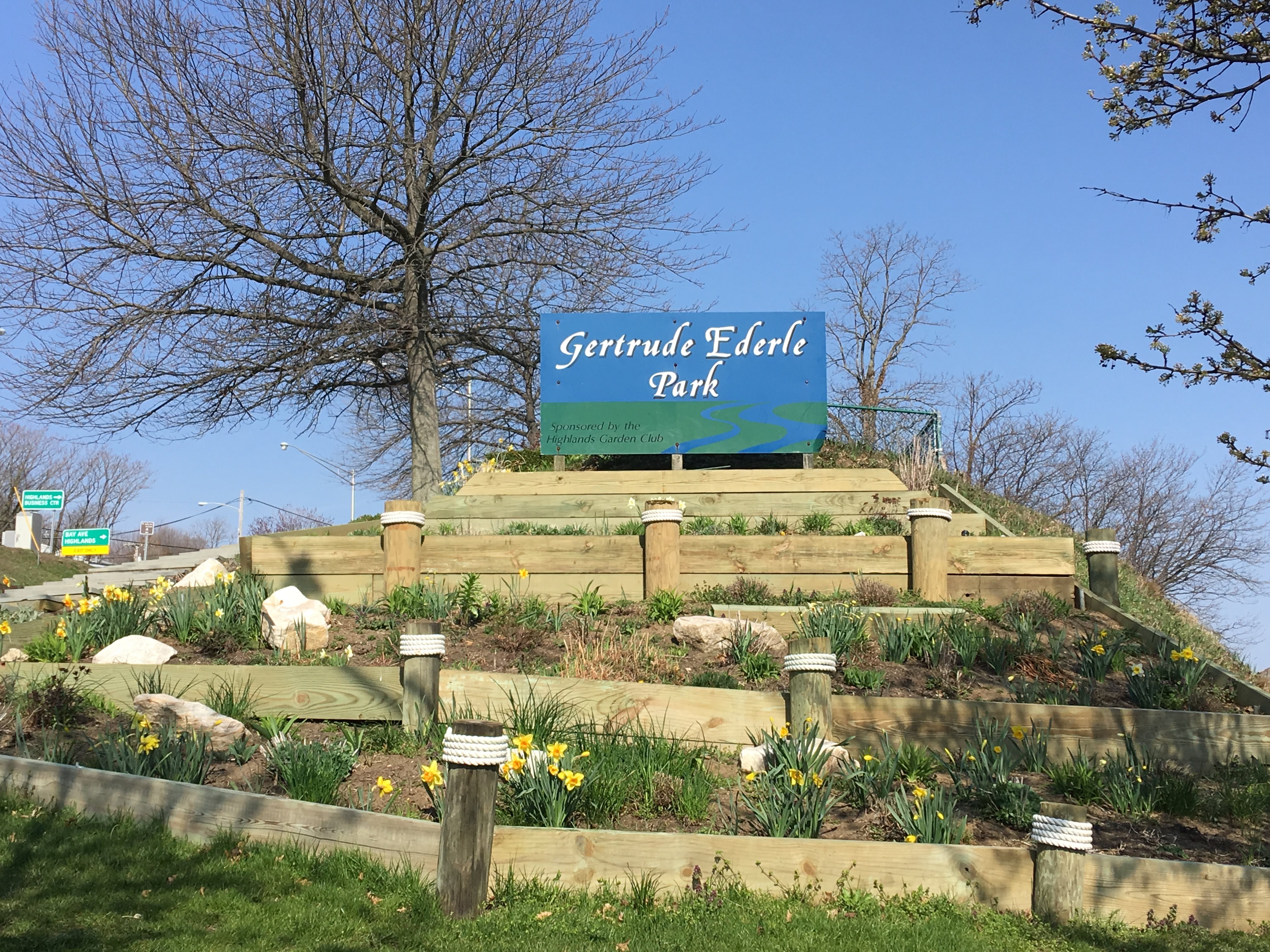
Who was Gertrude Ederle?

In 1926, Gertrude Ederle became the first woman to swim the English Channel, breaking the men’s record along the way.  The child of German immigrants from New York, Gertrude’s family had a summer home in Highlands where she trained by swimming against the tide in the Shrewsbury River.  Not only did Gertrude swim the channel, but she made notable adaptations to women’s swimwear and created waterproof goggles that allowed her to succeed.

Gertrude’s record was short-lived and she was unable to capitalize on her achievement unlike the athletes of today.  She remains a footnote in Highlands history and her name is on this sign in the park at the foot of the Highlands-Sea Bright Bridge.

You can find out more about Gertrude Ederle in America’s Girl: The Incredible Story of How Swimmer Gertrude Ederle Changed the Nation by Tim Dahlberg.