Category Archives: Wandering

A Love Letter From Red Bank to Count Basie

In homage to “The Kid from Red Bank”, T. Thomas Fortune Cultural Center is hosting an exhibit titled A Love Letter to Count Basie: From the Great Migration to the Harlem Renaissance through June 2021. Born in 1904, William James Basie honed his piano chops at vaudeville theaters and clubs in Red Bank and Asbury Park before heading north to Harlem. From there, Basie went on to become one of the most influential and famous jazz musicians of the swing era.
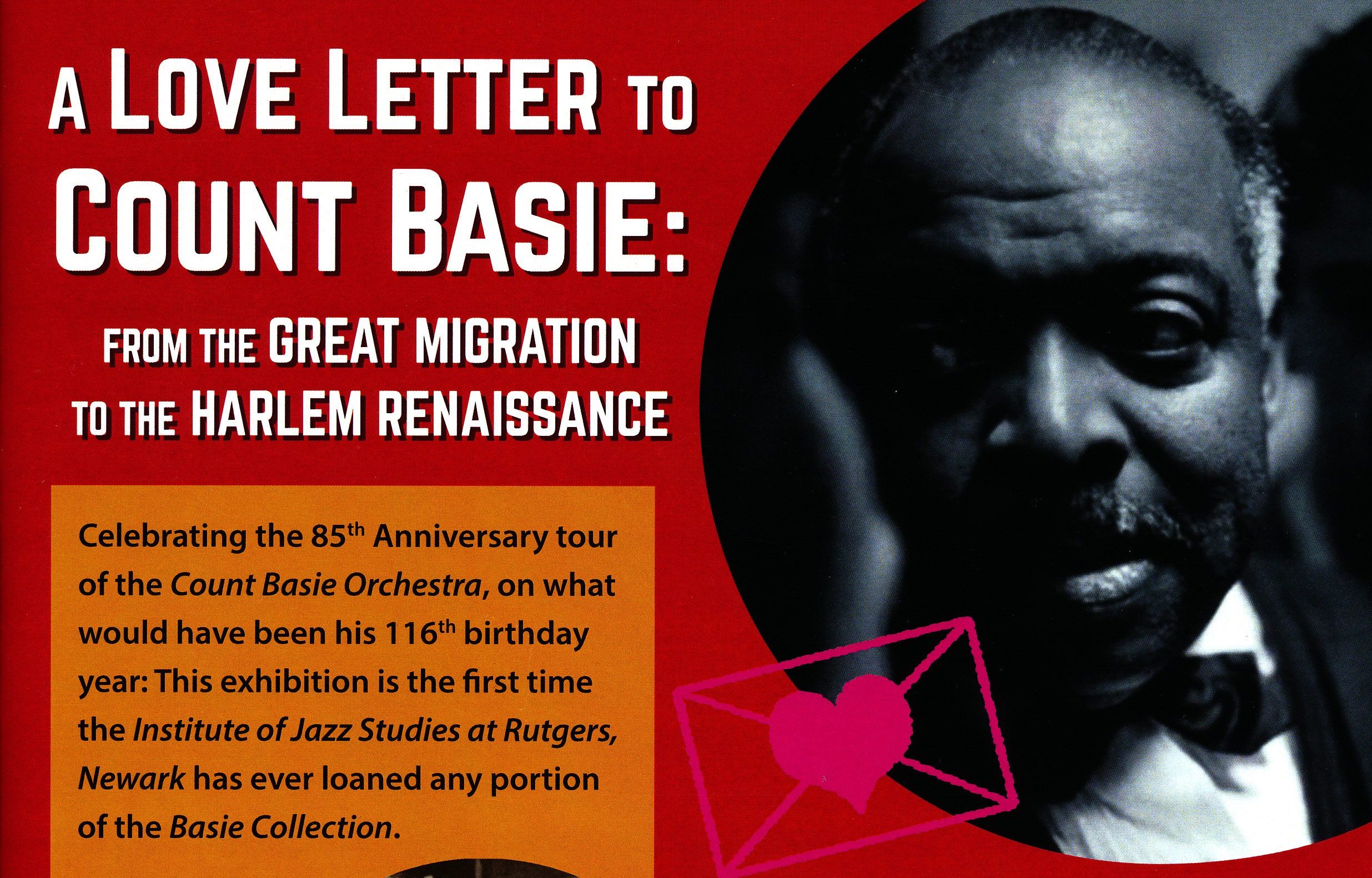
Exhibit on view at the T. Thomas Fortune Cultural Center

Red Bank once claimed to be among the largest communities of African American professionals in New Jersey. With its roots in the great migration of people fleeing the Jim Crow South, Red Bank’s well-established Black community was home to two notable African Americans in the early 20th Century: journalist T. Thomas Fortune and jazz great William “Count” Basie.

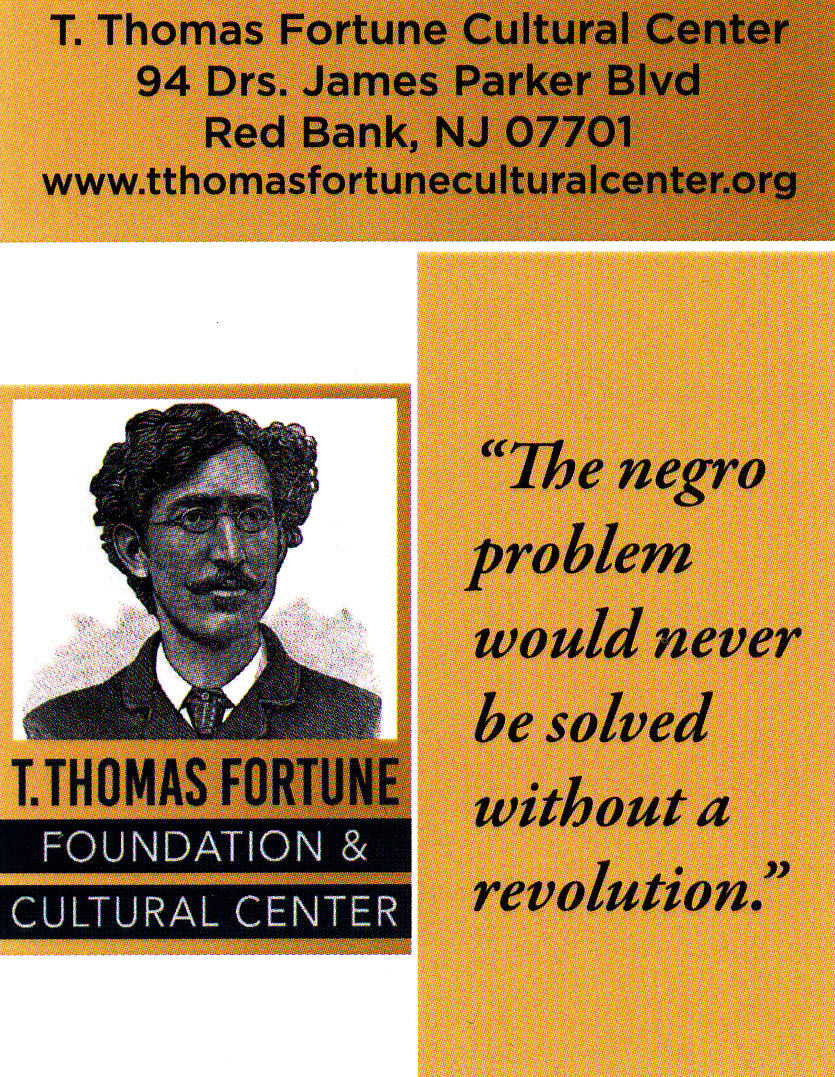
Designated a National Historic Landmark, Fortune’s former home is now the T. Thomas Fortune Cultural Center dedicated to celebrating the rich history of Red Bank and promoting the social justice mission of it’s original owner.

The exhibit is open to the public on Saturday and Sunday from 1-5 pm  Please call ahead to register at (732) 383-5483 or email info@ttfcc.org  Suggested donation: $15 for adults, $5 for children and seniors.  

Visit www.tthomasfortuneculturalcenter.org for more information.
Mongolia to Howell, Four Centuries of Kalmyk Migration

The Kalmyk people are originally from western Mongolia. Their westward migration into the Russian steppes began in 1618 after a prolonged conflict with the rulers of Mongolia.  After more than a century of prosperity in Russia, the Kalmyks fled into Turkey and Eastern Europe to escape the Bolshevik revolution.  During WWII, many Kalmyks were deported to Siberia or dispersed throughout Europe. Those Kalmyks who sought refuge in Displaced Persons camps run by the Americans after the war eventually arrived in the U.S. in 1951 and 1952.  A group of Kalmyks settled in Howell, NJ at that time and established Buddhist Temples along the Route 9 corridor that remain to this day.

The Kalmyks’ Russian connection is evident in the Russian Orthodox churches also present in Lakewood and Howell.  Kalmykia exists as an autonomous republic of the Russian Federation and maintains diplomatic and cultural ties with Mongolia.

Find out more…

Folk Costumes of the Kalmyks


Alpacas Await in Howell and Wall Township

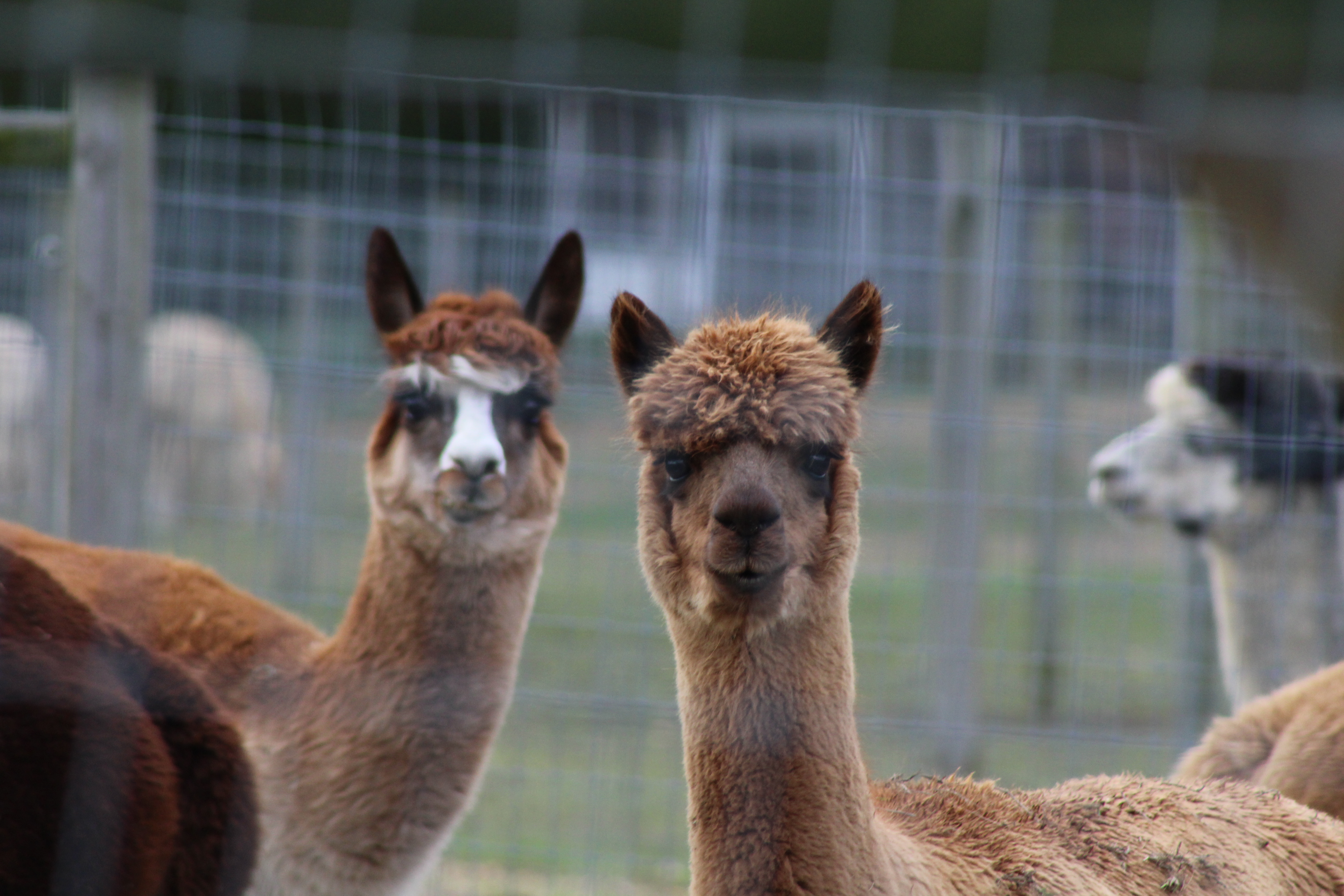
Alpaca Farm

Alpacas are domesticated members of the camel family native to South America and raised for their exquisite wool-like fiber coats.  Smaller than llamas, alpacas are grazing herd animals that use body language to communicate.

New Jersey boasts a number of alpaca farms with three located right here in Monmouth County.  Cedar Lane Alpacas in Howell, and Arrow Acres Farm and Edel Haus Farm in Wall Township offer tours, educational seminars, special events, in some cases beautiful apparel made from alpaca yarn.  Check the websites at the links above for visiting hours and other information.

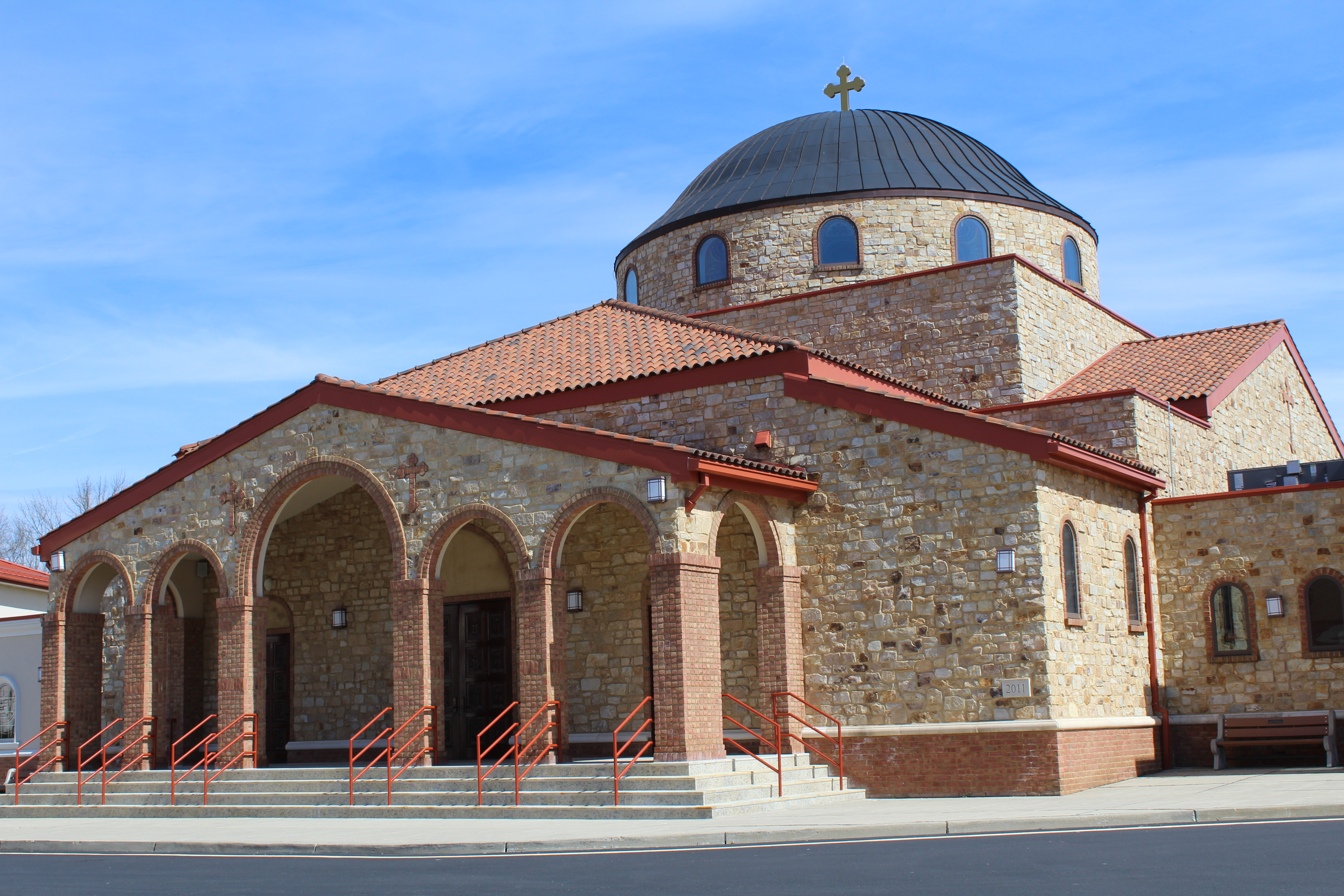
St. George Greek Orthodox Church

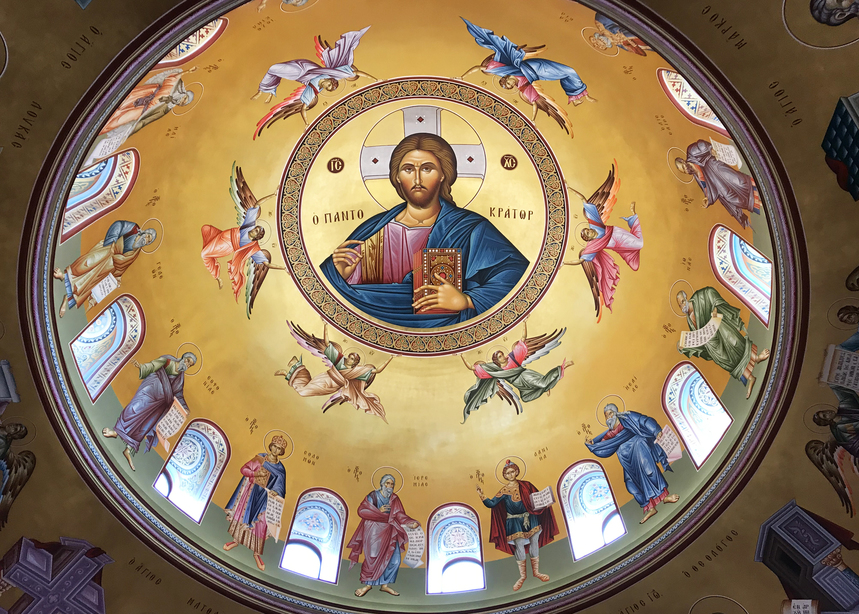
St. George’s Greek Orthodox Church located on West Park Avenue in Ocean Township, relocated from Asbury Park in 2012.  The new complex includes an athletic center and a cultural center.  The church will be consecrated when the iconography (funded by donations) is completed however the sanctuary even now boasts exquisite representations of saints and significant events in Orthodox scripture.

The congregation hosts an annual Greek Festival in June and important holidays are marked with the sale of home-made baked goods.  Check the church calendar for more information.


Turtle Beach

This slideshow requires JavaScript.

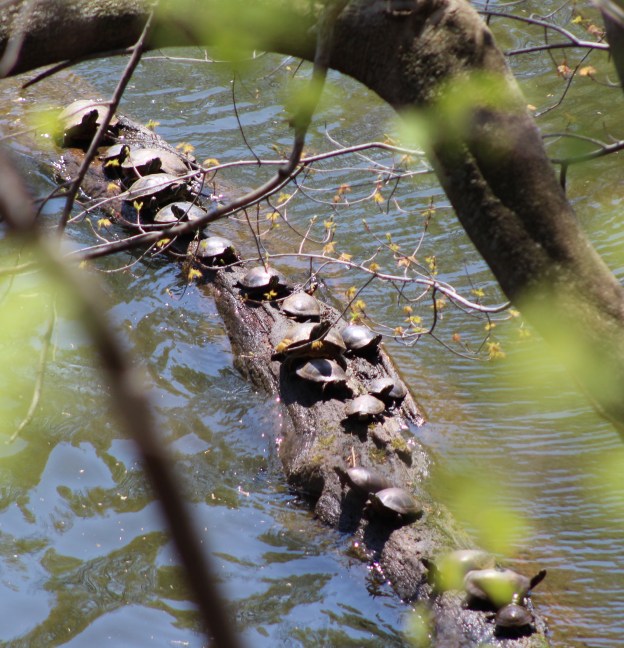
Warmer weather and sunshine lure more than people to Thompson Park.  An afternoon walk along the banks of the Swimming River reveals a thriving turtle population.  Here are a few competing for a spot on fallen logs at water’s edge.  The snapper feeding in the shallows is huge!


Water, Iron, and Slave Labor in Tinton Falls

Monmouth County has a rich history dating to colonial times when generous land grants
created unprecedented opportunity for ambitious, well-connected English gentlemen.

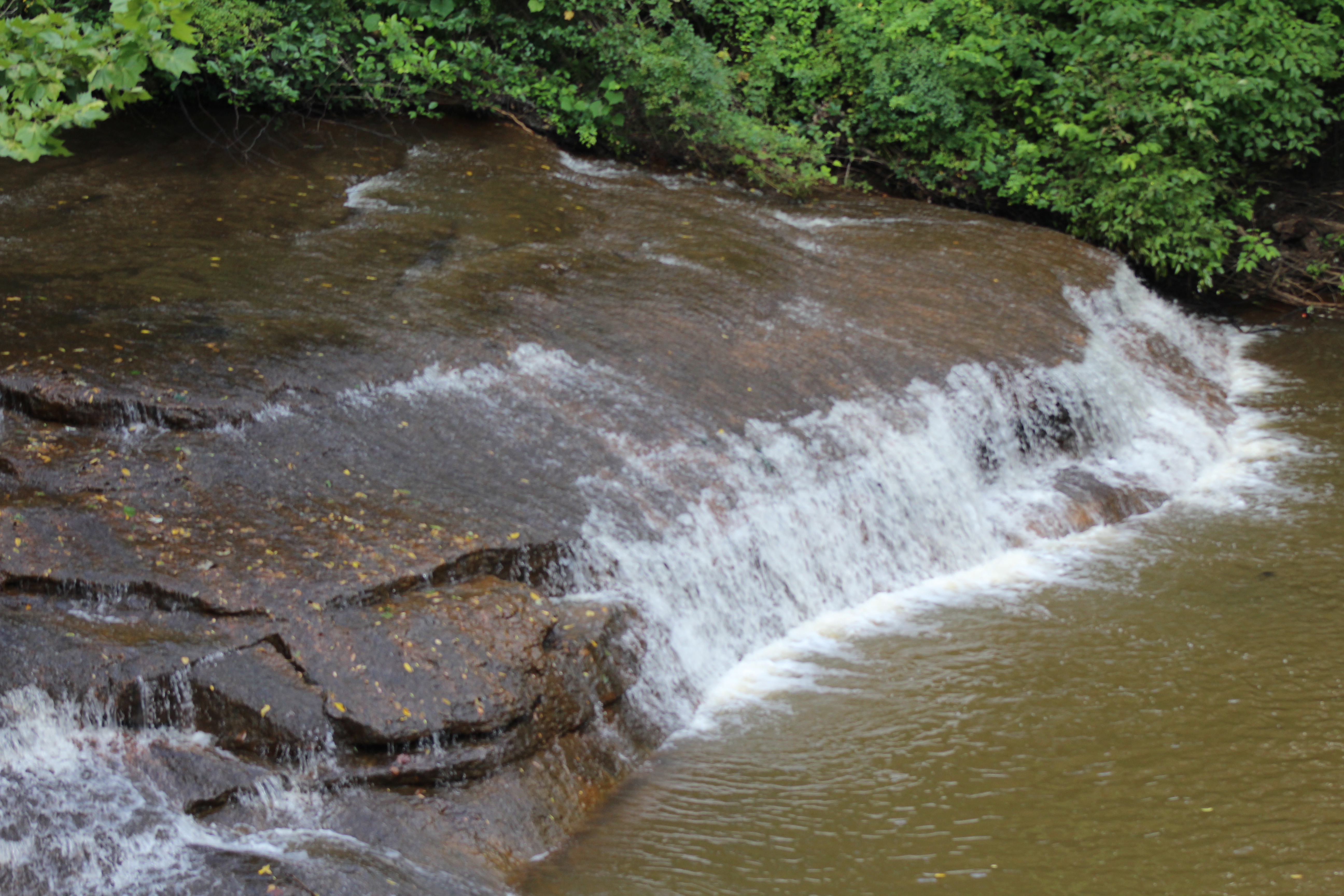
Tinton Falls at Sycamore Avenue and Swimming River Road

Named after an estate in Monmouthshire, Wales, Tintern (now Tinton) was the site of one of the earliest iron works in America.  Established in 1680, the iron mill and forge were powered by what was then the highest water fall along the Atlantic Coast.  Labor was provided by white indentured servants and 60-70 African slaves imported from Barbados by owner Colonel Lewis Morris, whose heir was New Jersey’s Governor of the same name.

The falls have diminished and the Tinton Iron Works are long gone but you can find out more:

Tinton Falls History

Tintern Falls

Historical Scrapbook