Tag Archives: New Jersey

U-pick Aromatic Lavender

Pleasant Valley Lavender Farm

Lavender Blooms in Morganville

That fancy lavender cocktail you ordered may be be made from blooms harvested at Pleasant Valley Lavender Farm in Morganville, NJ.  The farm supplies restaurants and bars throughout the NY metropolitan area with the English Lavender used in culinary concoctions from desserts to libations.  Oil from aromatic French Lavender is used in sachets, soaps, and body lotions.

Ten lovingly cultivated acres are located on quiet country road and offer an opportunity to pick your own lavender or purchase products made from the aromatic oil of these beautiful plants.  Bath and body items as well as honey and chocolates are available at the gift shop.

The season is short – usually a few weeks around July 4th. COVID 19 restrictions requires you to make appointments online for visits to the farm.  Check it out if you get the chance.
A Love Letter From Red Bank to Count Basie

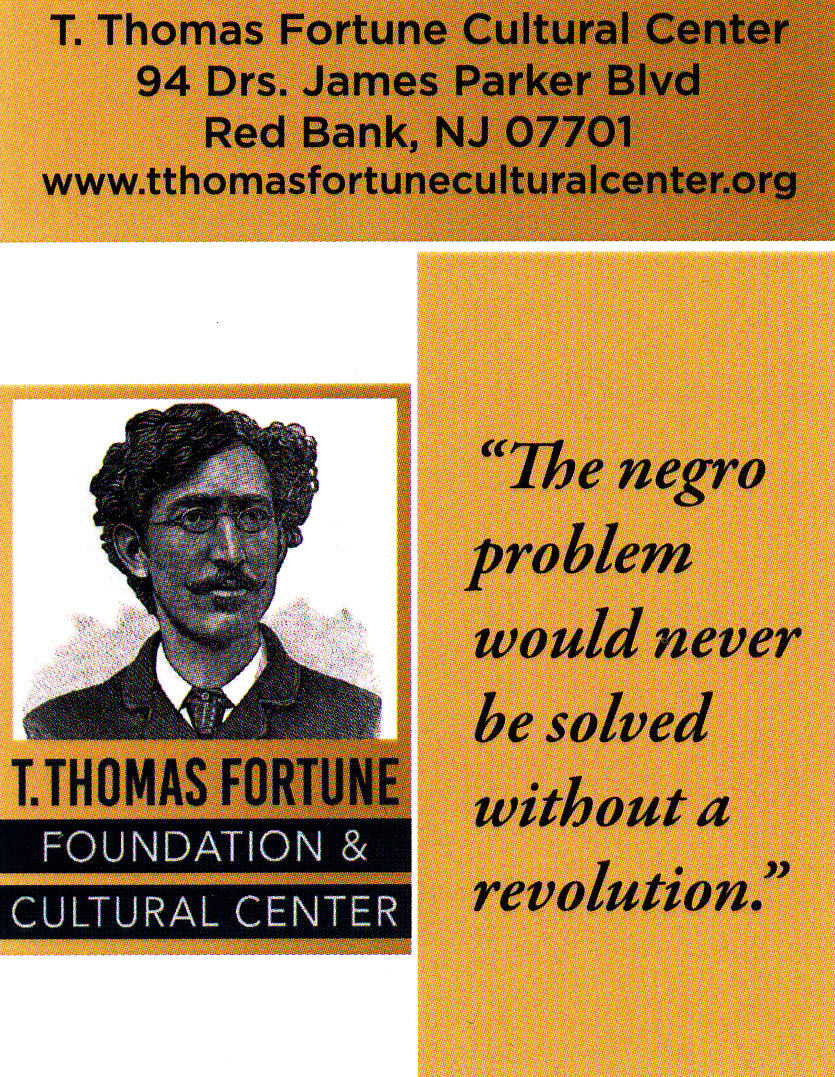
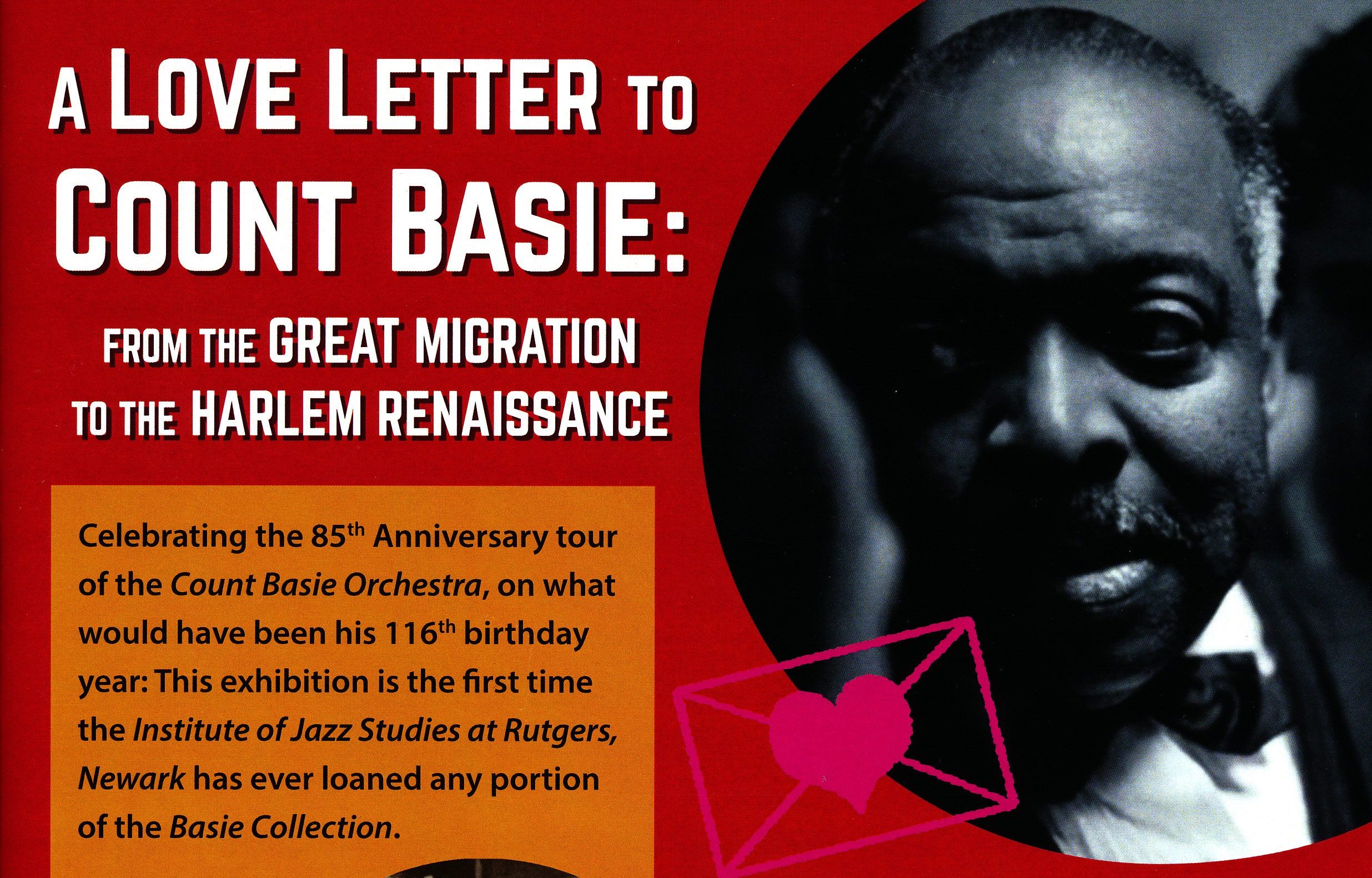
In homage to “The Kid from Red Bank”, T. Thomas Fortune Cultural Center is hosting an exhibit titled A Love Letter to Count Basie: From the Great Migration to the Harlem Renaissance through June 2021. Born in 1904, William James Basie honed his piano chops at vaudeville theaters and clubs in Red Bank and Asbury Park before heading north to Harlem. From there, Basie went on to become one of the most influential and famous jazz musicians of the swing era.

Exhibit on view at the T. Thomas Fortune Cultural Center

Red Bank once claimed to be among the largest communities of African American professionals in New Jersey. With its roots in the great migration of people fleeing the Jim Crow South, Red Bank’s well-established Black community was home to two notable African Americans in the early 20th Century: journalist T. Thomas Fortune and jazz great William “Count” Basie.

Designated a National Historic Landmark, Fortune’s former home is now the T. Thomas Fortune Cultural Center dedicated to celebrating the rich history of Red Bank and promoting the social justice mission of it’s original owner.

The exhibit is open to the public on Saturday and Sunday from 1-5 pm  Please call ahead to register at (732) 383-5483 or email info@ttfcc.org  Suggested donation: $15 for adults, $5 for children and seniors.  

Visit www.tthomasfortuneculturalcenter.org for more information.

Mongolia to Howell, Four Centuries of Kalmyk Migration

The Kalmyk people are originally from western Mongolia. Their westward migration into the Russian steppes began in 1618 after a prolonged conflict with the rulers of Mongolia.  After more than a century of prosperity in Russia, the Kalmyks fled into Turkey and Eastern Europe to escape the Bolshevik revolution.  During WWII, many Kalmyks were deported to Siberia or dispersed throughout Europe. Those Kalmyks who sought refuge in Displaced Persons camps run by the Americans after the war eventually arrived in the U.S. in 1951 and 1952.  A group of Kalmyks settled in Howell, NJ at that time and established Buddhist Temples along the Route 9 corridor that remain to this day.

The Kalmyks’ Russian connection is evident in the Russian Orthodox churches also present in Lakewood and Howell.  Kalmykia exists as an autonomous republic of the Russian Federation and maintains diplomatic and cultural ties with Mongolia.

Find out more…

Folk Costumes of the Kalmyks


St. George Greek Orthodox Church

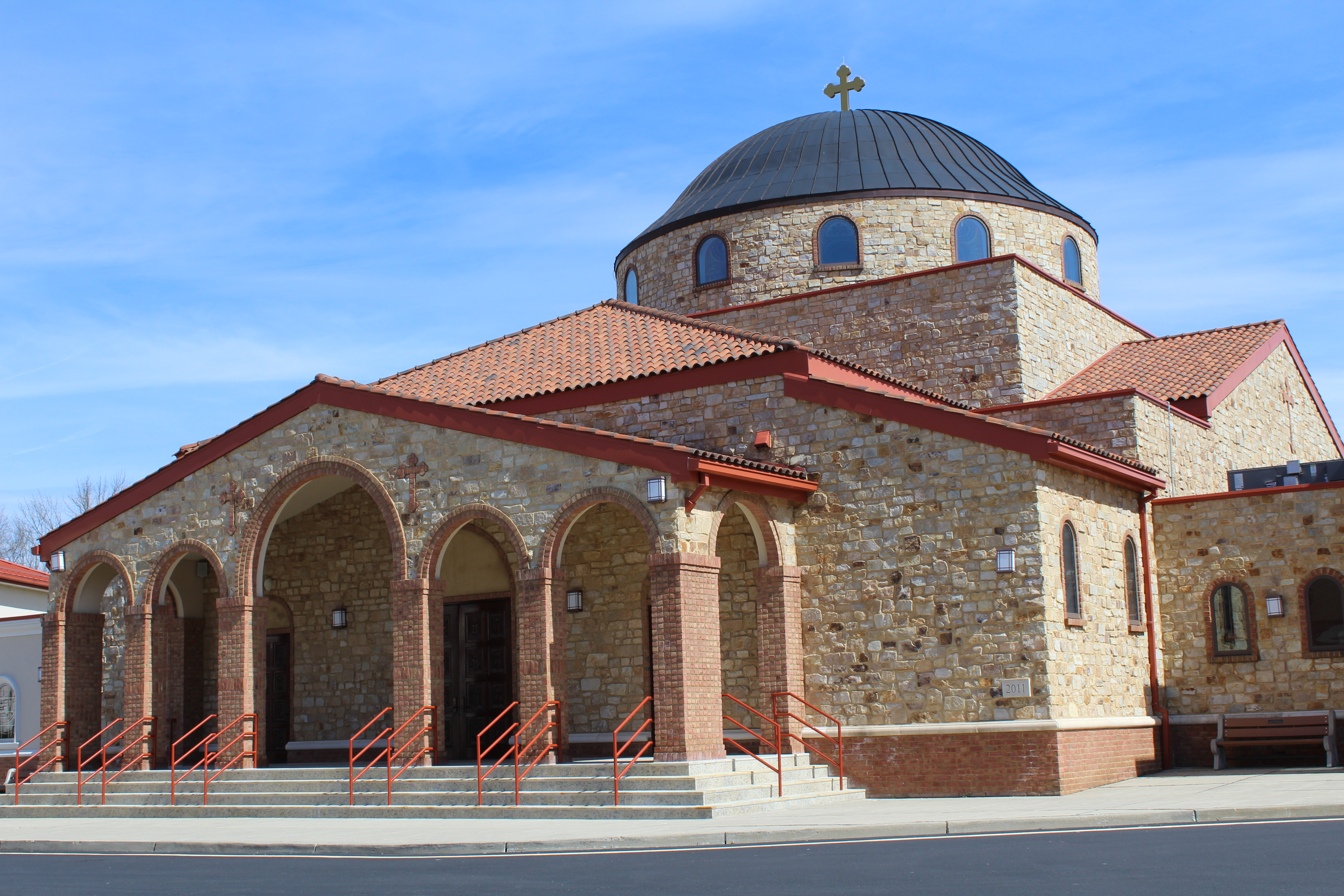
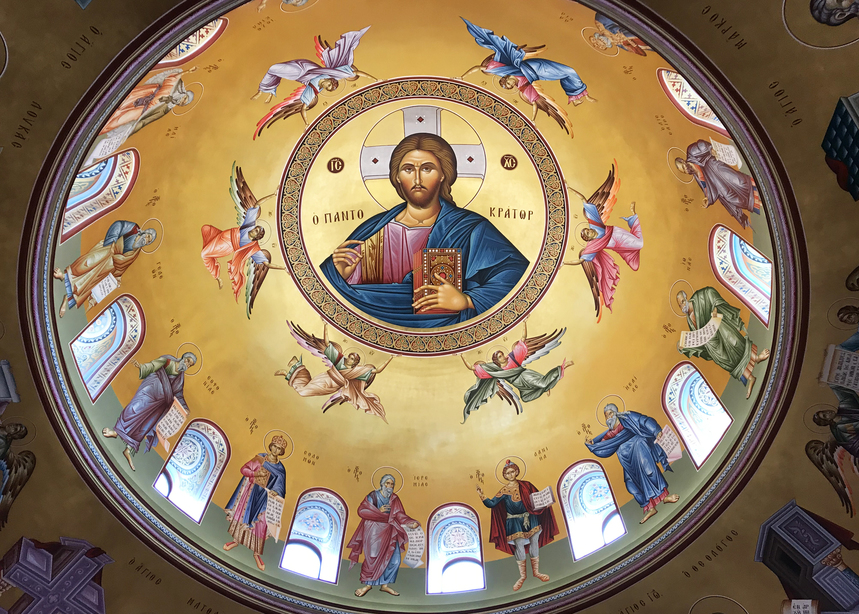
St. George’s Greek Orthodox Church located on West Park Avenue in Ocean Township, relocated from Asbury Park in 2012.  The new complex includes an athletic center and a cultural center.  The church will be consecrated when the iconography (funded by donations) is completed however the sanctuary even now boasts exquisite representations of saints and significant events in Orthodox scripture.

The congregation hosts an annual Greek Festival in June and important holidays are marked with the sale of home-made baked goods.  Check the church calendar for more information.


A Walk Among the Tombstones

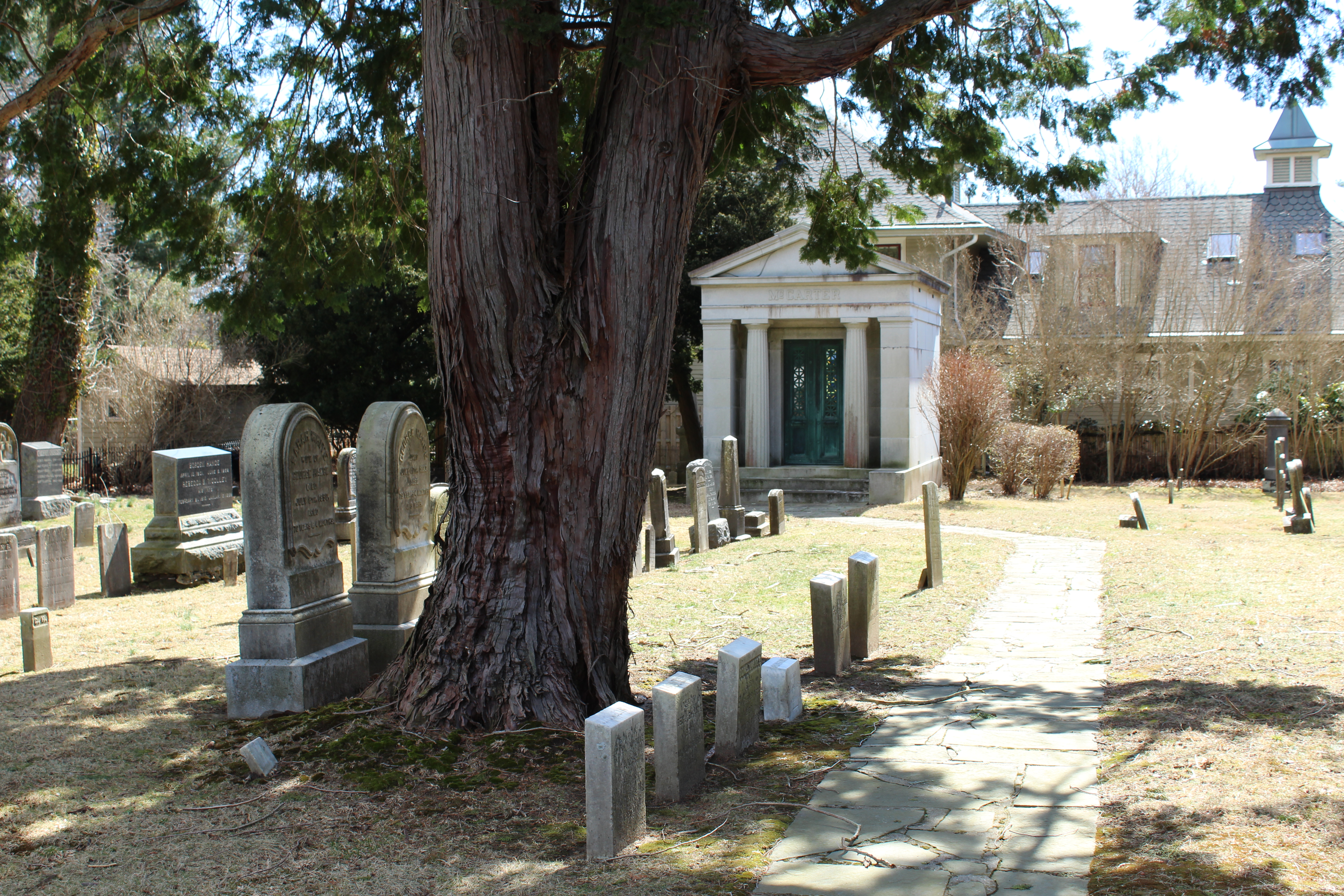
The earliest European settlers arrived in Monmouth County in the 1660s and many old burial grounds may be found in churchyards and along back roads.   A walk among the tombstones reveals familiar names that are now associated with streets and towns throughout the county and harkens back to a time when the sea connected Monmouth to the world.

A private burial ground along Rumson Road


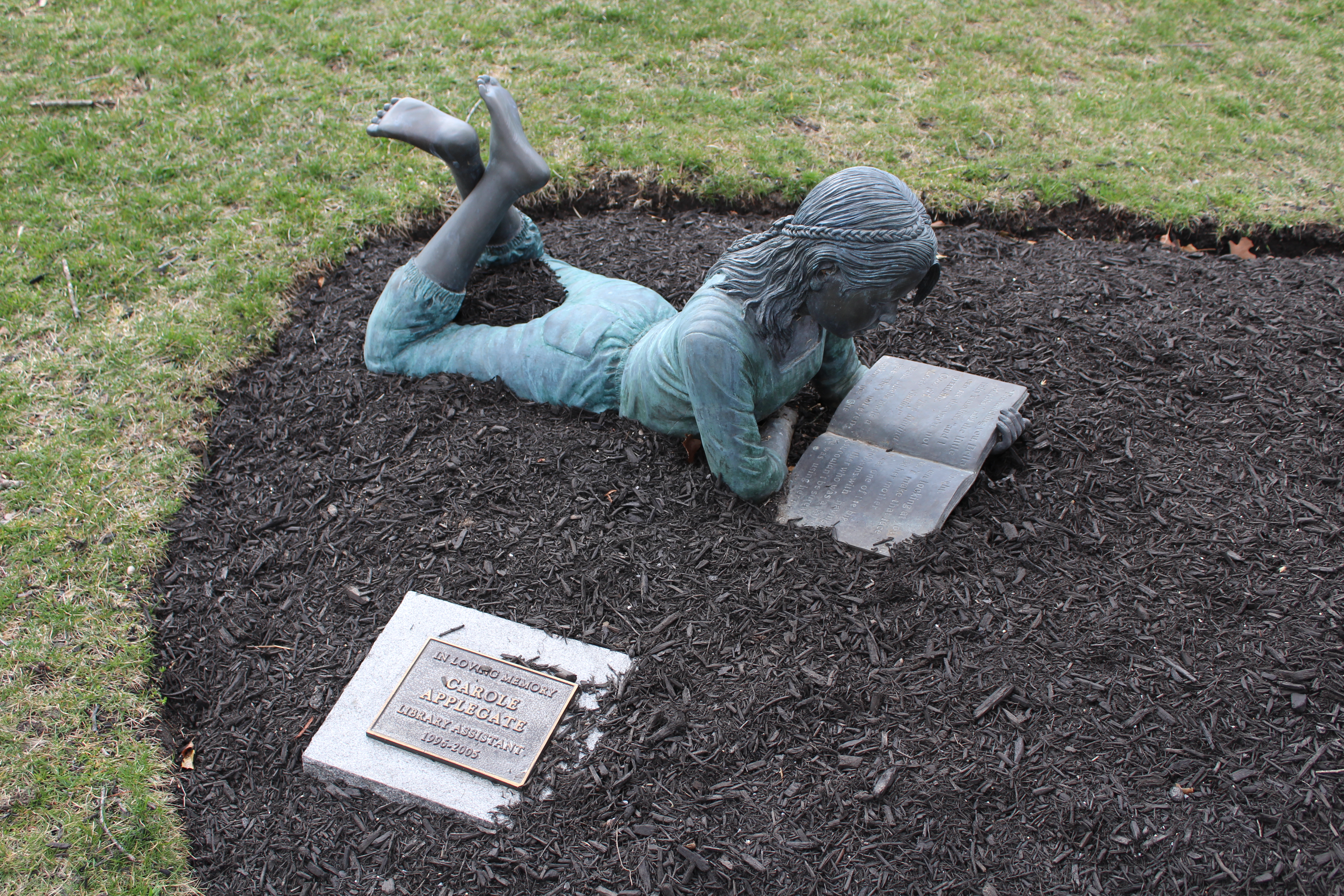
Library Power in Bradley Beach


Built in 1927 at the urging of the Women’s Improvement League, the design of the Bradley Beach Library followed guidelines recommended by Andrew Carnegie although the building was not funded by his philanthropy but rather by donations from local citizens.  Located on Fourth Avenue, the Bradley Beach Free Public Library represents the early 20th-century efforts of women’s organizations to promote cultural, educational, religious and social reforms.


In addition to books and online services, the independent Bradley Beach Library offers a variety of programs for patrons of all ages.  A new addition to the rear of the building provides handicapped access.  This building is on the National Register of Historic Places.